
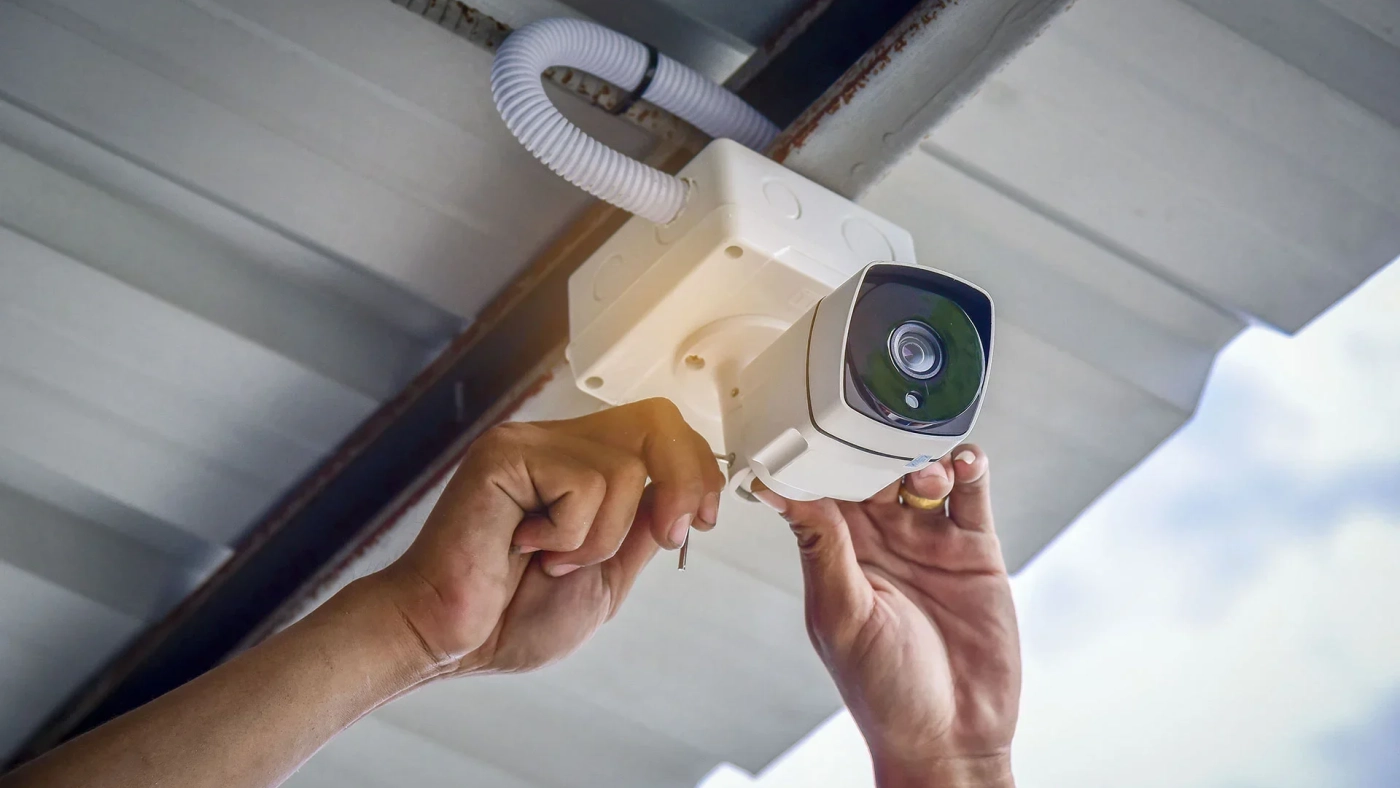
In the past, physical security (like guards and cameras) and digital security (like firewalls and access control) operated in separate silos. Today, the lines are blurring, and true protection comes from integrated security—combining physical and digital measures into a unified defence.
Modern CCTV systems, powered by AI, play a pivotal role in this integration, protecting your assets from theft while also bolstering your overall cybersecurity posture.
Here’s how a connected approach works.
The Challenge: Beyond Simple Theft
Consider a real-world example: a world-leading manufacturer of construction equipment was experiencing significant theft at its outdoor storage yards. Thieves were stealing diesel fuel and large metal components, causing serious supply chain disruptions and production delays.
The Risk: Beyond the immediate loss of materials, the company faced health and safety concerns and the risk of internal theft. They lacked a common reporting platform to monitor security effectiveness across multiple locations and make informed decisions.
The Solution: An Integrated Approach
The solution wasn’t just more cameras or more guards. It was about connecting them. The company partnered with G4S to create a technology-led, integrated security ecosystem.
- AI-Powered CCTV with Intelligent Monitoring: The core of the new system was a CCTV platform powered by Avigilon, an AI-driven software. This isn’t just passive recording. The AI uses machine learning to analyse video feeds in real-time and flag unusual activity. If someone is loitering in a restricted area after hours, the system alerts guards immediately, facilitating a much faster incident response.
- Layered Physical Defences: The video system was integrated with other physical barriers to create a “defence-in-depth”:
- Perimeter Alarms: Fence-mounted sensors were installed to detect intruders the moment they tried to breach the property line, before they could get inside.
- ANPR Barriers: Automatic Number Plate Recognition (ANPR) was added at the gates. This allows security to automatically verify and control all vehicles entering and exiting the premises, cross-referencing plates against databases.
- Unification with Digital Access Control: The final piece was connecting the physical security to digital identity. An integrated Access Control System was installed, allowing employees to tap in and out.
- Full Visibility: This gives security teams a real-time, unified view of who is on site at any given moment. If a digital security alert triggers (e.g., a suspicious login from an on-site computer), the physical security team can instantly verify if the authorized employee is actually present.
- The Results: A Single Source of Truth.
The results of this integration were dramatic.
- Significant Reduction in Theft: Over five years, the client reported a major drop in security incidents.
- Enhanced Efficiency: Guards, armed with mobile apps for task completion, became more productive. Day-to-day processes like visitor registration and vehicle checks were streamlined.
- Informed Decision Making: All security data—from video alerts to gate entries—funnels into a single, consolidated reporting tool. This provides full transparency and allows management to monitor performance, analyse trends, and make data-driven decisions to further improve security.
For modern businesses, security is no longer just about locks and logs. It’s about creating a smart, connected ecosystem where your physical and digital defences work in harmony, managed by a central intelligence that helps you prevent incidents before they happen.